UGX
Personal Info

Fort Portal Diocese seeking support of 1.6 Billion to accomplish the Cathedral renovation. God bless you as you support this noble work.

To make an offline donation toward this cause, follow these steps::

  1. Write a check payable to "Catholic Diocese Of FortPortal"
  2. On the memo line of the check, indicate that the donation is for "Catholic Diocese Of FortPortal"
  3. Mail your check to:

Catholic Diocese Of FortPortal
Social Communications Office
P. O. Box 214, Fort Portal, Uganda
Tel: 0414-6-71225/0772-996067/0778-134315)
E-mail: socialcommfort@gmail.com

Your tax-deductible donation is greatly appreciated!

Terms

Donation Total: UGX 1,000,000

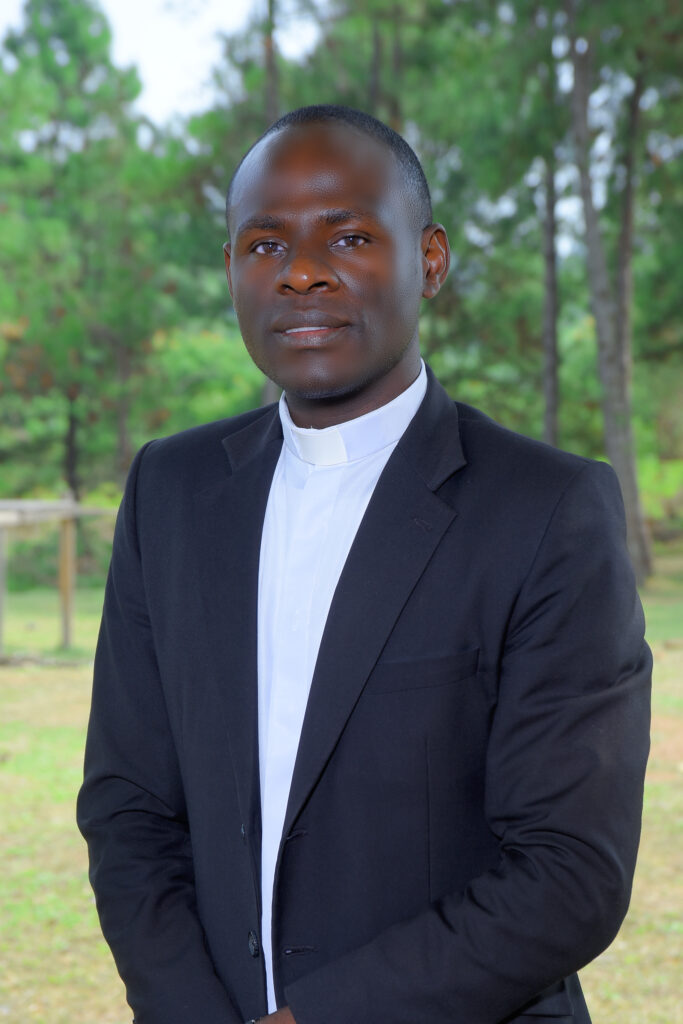
FR. PETER KYOMUHENDO
DIRECTOR SOCIAL COMMUNICATIONS
FORT PORTAL DIOCESE

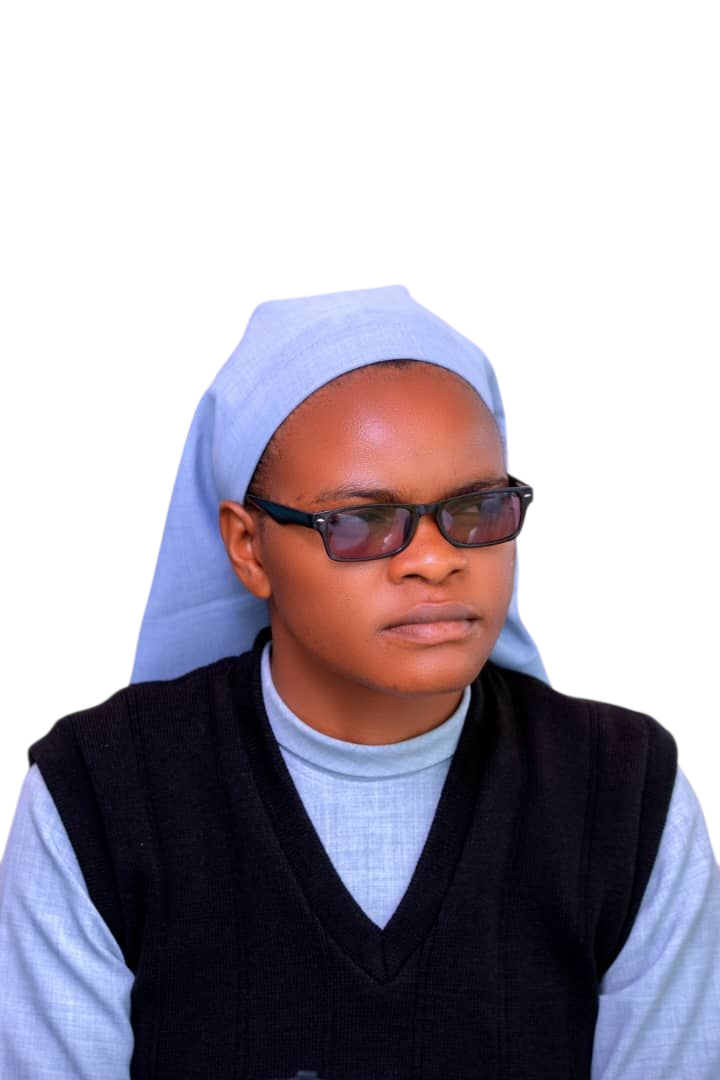
SR. SYLIVIA KIRUNGI
GENERAL SECRETARY
SOCIAL COMMUNICATIONS OFFICE


SOCIAL COMMUNICATIONS OFFICE/COMMISSION 

BRIEF HISTORICAL BACKGROUND

The commission of Social Communications is basically the diocesan “Information office” (or locally “ofiisi ye Eby’Amakuru”). In other words, it is the office in-charge of all information from the Diocese to the outside world and from the outside world into the Diocese. This information is fundamentally concerned with communicating the Good News of Jesus Christ to the world through the use of the modern means of communication that is evangelization through the media. In short, the main purpose of the office of Social Communications is to coordinate, facilitate, promote and support all communication activities of the Diocese.

In Fort Portal Diocese, the office is traced back in the 80’s when it was part and parcel of (and was under) the diocesan Social Development Office. It was headed by a lay representative who was answerable to the priest in-charge of the Social Development office. Successively the office of Social Communications emerged as an independent office in the early 90’s headed by a priest and assisted by a nun up to the present moment.

Identity: An informed and pastorally oriented Diocesan Communications Commission.

Vision: A Communications Commission of Fort Portal Diocese which promotes the use of media in evangelization of the whole person.

Mission: A commission that strengthens and promotes pastoral activities to all the people through the available means of communication.


What is the Social Communications Office in Fort Portal Diocese?

  • It is essentially the diocesan “information office” (in the local language “ofiisi ye Eby’Amakuru”).
  • Its role is to manage communication both from the Diocese to the outside, and from outside back into the Diocese.
  • It focuses particularly on evangelization, using modern means of communication (media) to share the Good News of Jesus Christ.

Key Functions / Responsibilities

From its mission and how similar diocesan communication offices work, the Social Communications Office in Fort Portal does the following:

  1. Coordinate, facilitate, promote, support communications
    It ensures that all communication activities in the diocese are organized, effective and aligned with the pastoral mission of the Church.
  2. Evangelization via media
    Use radio, print, social media, newsletters, bulletins, and other media channels to share Church teaching, spiritual messages, etc.
  3. Public relations / Liaison
    Acts as the public relations arm of the diocese: dealing with external media, reporting the diocese’s work, ensuring accurate public information about Church activity.
  4. Information flow
    • Disseminating messages from the Bishop (e.g. pastoral letters) to parishes, catechists, laity.
    • Receiving feedback or information from within the Church (parishes etc.) and passing it up.
    • Making sure information reaches all levels of the diocese.
  5. Media training, capacity building
    Training journalists, parish communicators, sometimes organising seminars or workshops on communication, responsible journalism, ethical use of social media, etc.
  6. Event organization
    Helping to organise major diocesan events, especially those with a communications dimension (World Communications Day, public outreach, etc.).
  7. Monitoring / content creation
    They may produce newsletters, bulletins, manage social media / websites, photo banks; also monitor how messages are being received and possibly adjust. They also promote Catholic values in media.